BIVA highlights territorial cooperation as a driver of innovation in healthcare at BNEW 2026
The panel discussion, held as part of Barcelona New Economy Week, explored the region’s potential to drive innovation projects in healthcare and life sciences.
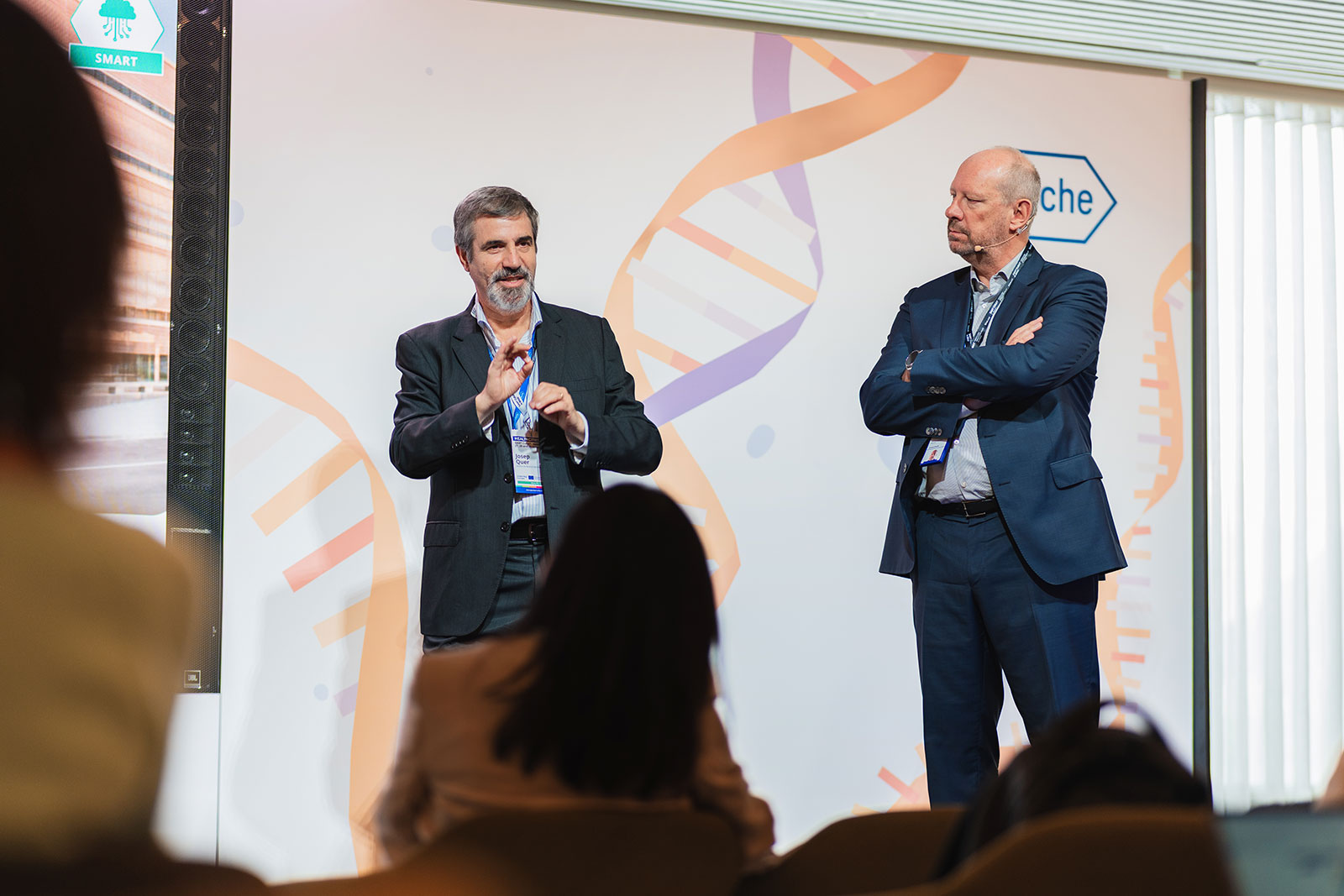
On Tuesday, 6 October, BIVA took part in Barcelona New Economy Week (BNEW) 2026 as part of a panel discussion dedicated to the role of territorial cooperation in developing innovation projects in healthcare and life sciences.
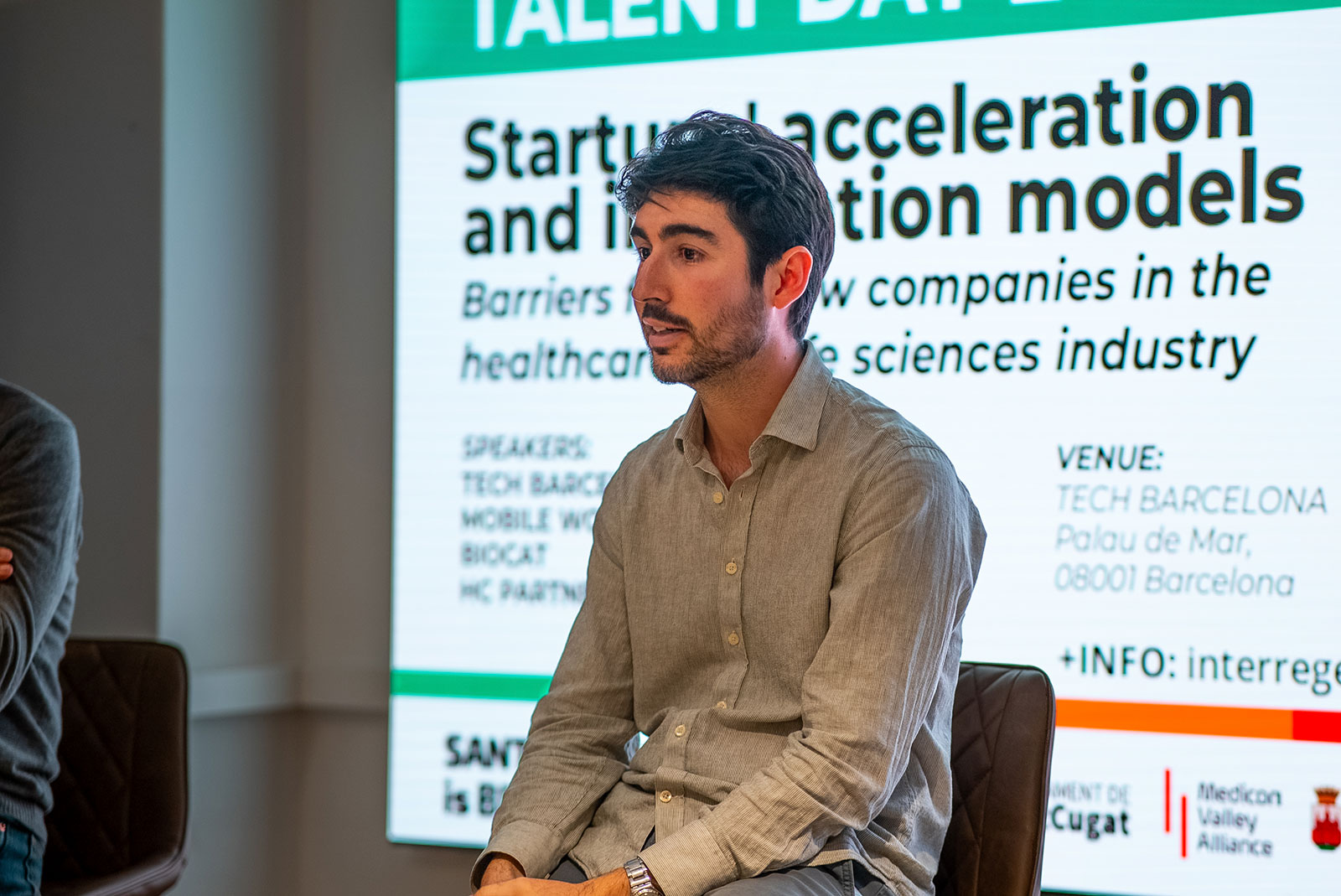
The session, entitled BIVA: Connecting Innovation with Health & Life Sciences, brought together representatives from Sant Cugat City Council, Sant Cugat Empresarial, Ferrer, Grifols and the International University of Catalonia (UIC) to explore how the region’s business, academic, scientific and institutional capabilities can be connected to drive joint initiatives.

A connected ecosystem to create new opportunities
BIVA was created with the aim of connecting the business, academic, scientific and institutional capabilities present in Sant Cugat and its surrounding area. Its goal is to turn this potential into collaborative projects that generate economic and social impact.
During the session, Albert Salarich, Councillor for Business, Innovation and Internationalisation at Sant Cugat City Council, highlighted that BIVA builds on an established regional ecosystem characterised by a high concentration of companies, universities, hospitals and research centres. In this regard, he emphasised the need to connect these stakeholders and work together in areas such as talent, infrastructure, technology transfer and international positioning.
From a business perspective, Jaume Vivas, former President of Sant Cugat Empresarial, stressed the importance of involving companies from the very outset of innovation processes to ensure that projects can reach the market and generate a tangible impact.
Along the same lines, Óscar Pérez, Head of R&D and Business Development at Ferrer, highlighted that no organisation has all the scientific knowledge, talent and capabilities required to innovate on its own. Collaboration makes it possible to connect medical needs with the knowledge and resources needed to develop solutions that ultimately reach patients.
From research to solutions that make a difference for patients
One of the main challenges identified during the discussion was the need to move beyond traditional models in which research, business activity and healthcare needs progress independently. The proposed approach involves identifying challenges from the outset and engaging the most relevant stakeholders at each stage of the innovation process.
In this regard, Ester Calvo, professor at UIC Barcelona and Deputy Director of the VINCat programme, highlighted the role of universities and healthcare centres in identifying real needs, developing potential solutions and validating them. This collaboration makes it possible to establish a more integrated working framework connecting research, industry and healthcare provision.
Marta Príncep, who works in external innovation at Grifols, also highlighted the potential of combining life sciences with disciplines such as artificial intelligence to unlock new possibilities in research and diagnostics.
As an example, she presented the Chronos project, which applies artificial intelligence to the analysis of plasma samples to identify patterns associated with Parkinson’s disease. This initiative illustrates how combining biomedical knowledge and technology can help advance disease detection.
Talent, specialisation and tangible results
The ability to attract and retain talent is another key factor in consolidating an innovative ecosystem. Sant Cugat has a strong concentration of companies, academic institutions and scientific infrastructure, creating favourable conditions for new professional and business opportunities.
However, participants agreed that having these resources is not enough. Shared priorities must be established, specific challenges identified and projects developed with clear objectives, implementation capabilities and measurable outcomes.
Along these lines, the discussion highlighted the importance of moving beyond isolated working practices and towards cross-sector collaboration among the different stakeholders within the ecosystem. BIVA is therefore positioned as a platform for facilitating these connections and turning them into initiatives with a tangible impact.
A European perspective to strengthen the local ecosystem
The international dimension is also an integral part of this strategy. The European project HEALTH CITIES, led by Sant Cugat City Council within the framework of the Interreg Europe programme, provides an opportunity to learn from other European healthcare and life sciences ecosystems, share knowledge and identify initiatives that can help improve local policies.
The experience of ecosystems such as Medicon Valley, around Copenhagen and Malmö, offers valuable benchmarks for exploring how cooperation between companies, academic institutions and public administrations can strengthen the sector’s competitiveness.
Through its participation in BNEW 2026, BIVA continues to showcase the potential of Sant Cugat’s ecosystem and its collaborative model, based on connecting the region’s different stakeholders to drive innovation projects, create new opportunities and contribute to the development of healthcare and life sciences.


Who promotes the Innovation Alliance
The alliance is made up of local and regional public bodies, global innovation centers from different sectors, business associations, and universities and technology and science centers in the region.